





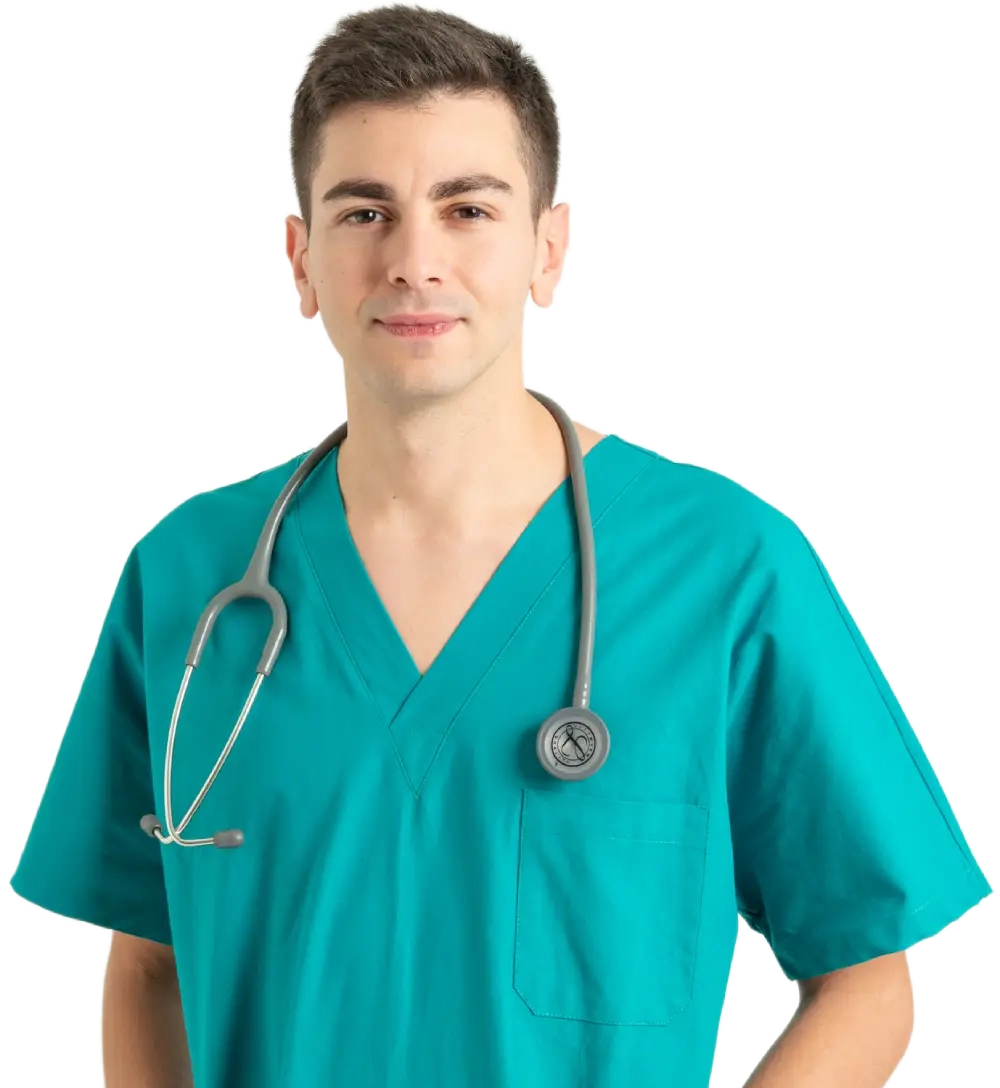



When you wake up ill in a hotel room, feel worse by the hour, and realise you now need to explain symptoms in a healthcare system you do not know, speed and clarity matter more than anything. That is exactly why people ask how home medical visits work – not in theory, but in practical terms: who comes, how fast, what they can treat, and what happens after the doctor leaves.
For English-speaking patients in Milan, a home visit is designed to remove friction at the moment you feel least able to deal with it. Instead of travelling across the city while unwell, waiting in a clinic, or trying to navigate local services in another language, you book a doctor to come to you. The process is usually straightforward, but the details matter, especially if you need urgent treatment, a prescription, or paperwork for work, university or travel insurance.
How home medical visits work from booking to bedside
A private home medical visit typically starts with a fast booking request. In most cases, you contact the service by WhatsApp, phone or online form, explain what is happening, share your location in Milan, and confirm who needs to be seen. If the patient is a child, the team will usually ask the child’s age, symptoms, temperature and whether they are eating, drinking or unusually sleepy. If the patient is an adult, they may ask about pain, fever, breathing, vomiting, medication use or existing conditions.
This first step is not just admin. It helps the medical team decide whether a home visit is suitable, how urgently a doctor should attend, and whether a GP-style doctor is enough or a specialist would be more appropriate. It can also identify the cases that should go straight to emergency care. Chest pain, severe shortness of breath, heavy bleeding, loss of consciousness, seizures or signs of stroke are not usually situations for routine home care. A good service will say that clearly.
Once the visit is confirmed, you are given an arrival window and clear instructions on what happens next. Premium services tend to keep this simple. There is no subscription, no long registration process, and no need to work out where to go. You stay where you are – at home, in a hotel, at a serviced flat or another private address – and a dedicated doctor comes to you.
What happens during a doctor home visit
The visit itself is usually closer to a focused private consultation than a rushed out-of-hours call. The doctor will begin by taking a proper history: when symptoms started, how they have changed, what makes them better or worse, and whether there are relevant medical conditions, allergies or current medicines. If you are travelling, that context matters too. Dehydration, exhaustion, food-related illness, stress, disrupted sleep and minor respiratory infections are common triggers for same-day care.
After that comes the examination. Exactly what this includes depends on the problem, but it may involve checking temperature, blood pressure, pulse, oxygen levels, chest sounds, throat, ears, abdomen, hydration status or skin changes. For children, the doctor will also assess behaviour and general appearance, because a child who is lethargic or unusually difficult to wake needs a different level of concern from a child with a simple fever who is still interactive.
The key advantage of home care is that the doctor can assess you in the environment where symptoms are happening. If an older adult is weak, if a child is struggling to settle, or if a patient is simply too unwell to travel comfortably, that matters. The consultation can also feel calmer and more private, which makes it easier to explain what is wrong and ask the questions you would otherwise forget.
What a home visit doctor can usually do
People often assume a home visit is only for basic advice. In reality, it can cover a wide range of everyday but urgent medical needs. A doctor can assess infections, fever, flu-like symptoms, gastroenteritis, urinary symptoms, skin rashes, mild breathing complaints, ear pain, sore throat, minor injuries and many common paediatric illnesses. Depending on the service, home care may also include specialist appointments such as paediatrics or gynaecology, along with practical support like IV therapy when clinically appropriate.
In many cases, the doctor can issue prescriptions, recommend treatment immediately, and provide medical certificates or other documentation. That is often the deciding factor for travellers and professionals. If you need medicine the same day, a fit-to-fly note, a sick note for work, or paperwork to support an insurance claim, the visit is not just about reassurance – it is about getting a usable outcome.
There are limits, and a reputable provider will explain them. Home visits are excellent for assessment, diagnosis and treatment planning in many non-life-threatening situations, but they do not replace hospital imaging, surgery or emergency resuscitation. If the doctor believes blood tests, scans or emergency observation are needed, they should tell you quickly and help direct the next step.
When home medical visits are the best fit
Home visits make particular sense when travelling to a clinic feels like the hardest part of the problem. That may be because you have a high fever, vomiting, dizziness, reduced mobility, a sick child, or simply no confidence trying to find care in Italian at short notice. They also work well when privacy matters, such as for hotel guests, business travellers between meetings, or patients who would rather not sit in a waiting room while feeling visibly unwell.
They are also valuable for parents. A child with a sudden fever in the middle of the night is stressful enough without taxis, queues and unfamiliar systems. Having an English-speaking doctor come to your address, assess the child carefully, explain what is happening, prescribe treatment if needed, and stay available for follow-up can change the whole experience.
How home medical visits work after the appointment
A good home visit does not end at the front door. After the consultation, you should leave with a clear plan: what the likely diagnosis is, which medicines to take, when to start worrying, and whether you need review within hours or days. If paperwork is required, it should be handled promptly and clearly. If follow-up is needed, the process should feel coordinated rather than leaving you to start again from zero.
This is where concierge-style care stands apart. The best private services stay responsive every step of the way, especially if symptoms change. You may need a follow-up message, an adjusted treatment plan, a repeat review, or a switch from home visit to clinic or online care depending on how things evolve. For international patients, that continuity is often as valuable as the first appointment.
At InfinityDoc, for example, the model is built around immediate access, English-speaking care and practical next steps rather than bureaucracy. That is particularly useful if you are only in Milan briefly and need treatment, documentation and reassurance without delay.
Cost, timing and what to prepare
Private home visits are a premium service, so they usually cost more than standard clinic care. For many patients, though, the trade-off is worth it. You are paying for speed, convenience, language clarity, privacy and a doctor who comes directly to your location. If you are travelling for work, looking after children, or too unwell to move easily, that convenience is not a luxury so much as a practical solution.
Before the doctor arrives, it helps to have your passport or ID, medication list, allergy information, and any relevant previous reports ready if you have them. If the patient is a child, keep a note of temperature readings, when symptoms began, and whether they have managed fluids. If you are in a hotel, let reception know a doctor is coming so access is easy.
Arrival times depend on demand, location and the urgency of the case. The right service should be honest about that. Immediate access is the goal, but real medicine still involves triage. Some problems can safely wait a little; others need priority. Clarity is more reassuring than vague promises.
The main thing to know is this: home medical visits work best when they remove obstacles at the exact moment you need care. They bring the doctor, the decision-making and the follow-through to you, in plain English, with less stress and more certainty. If you are unwell in Milan and want fast, private medical support without navigating the system alone, that kind of care can feel less like a workaround and more like the right answer.




